Why Eczema Often Flares When the Seasons Turn
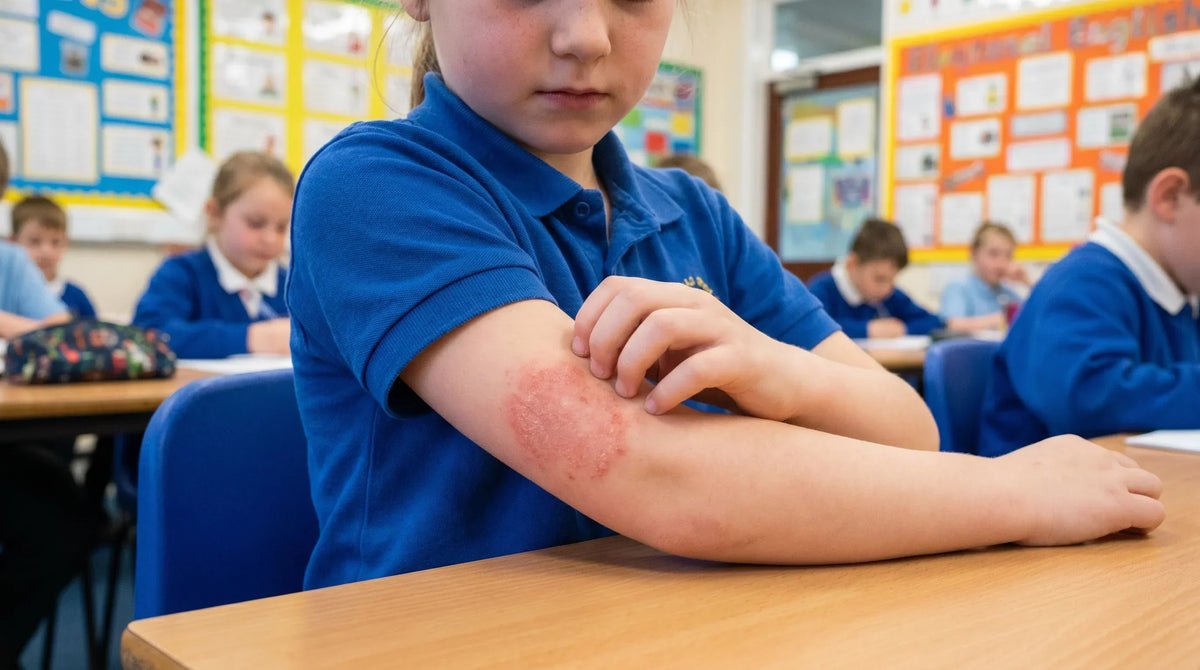
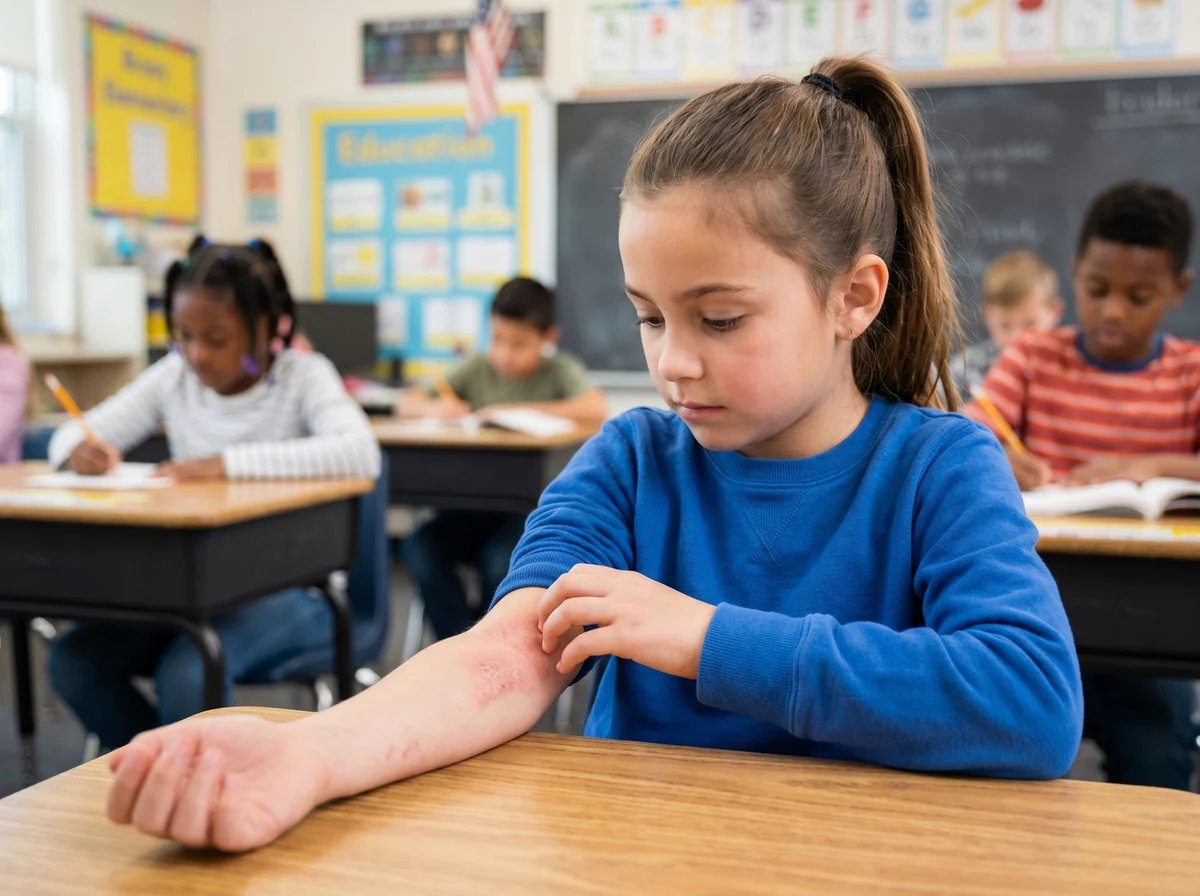
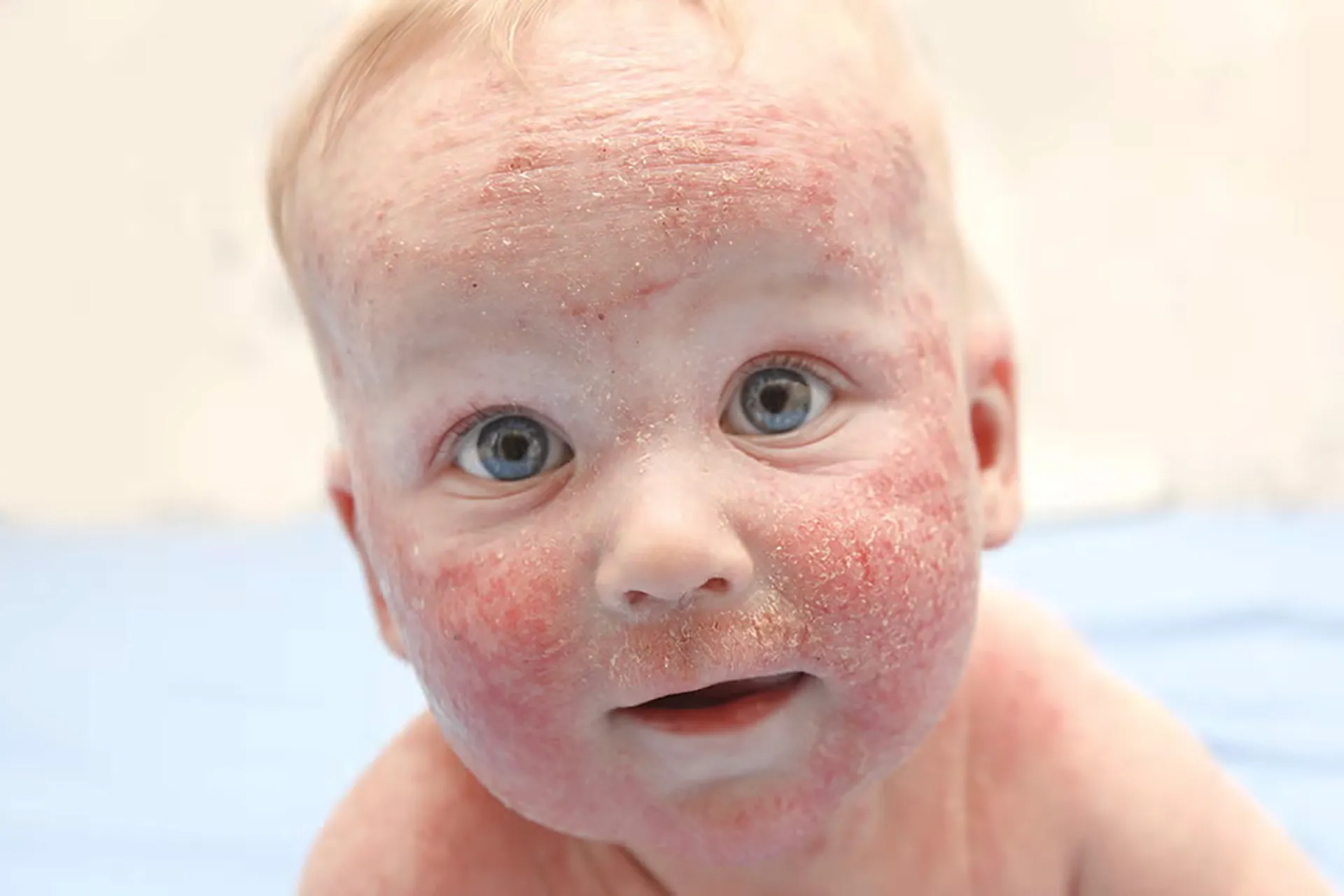
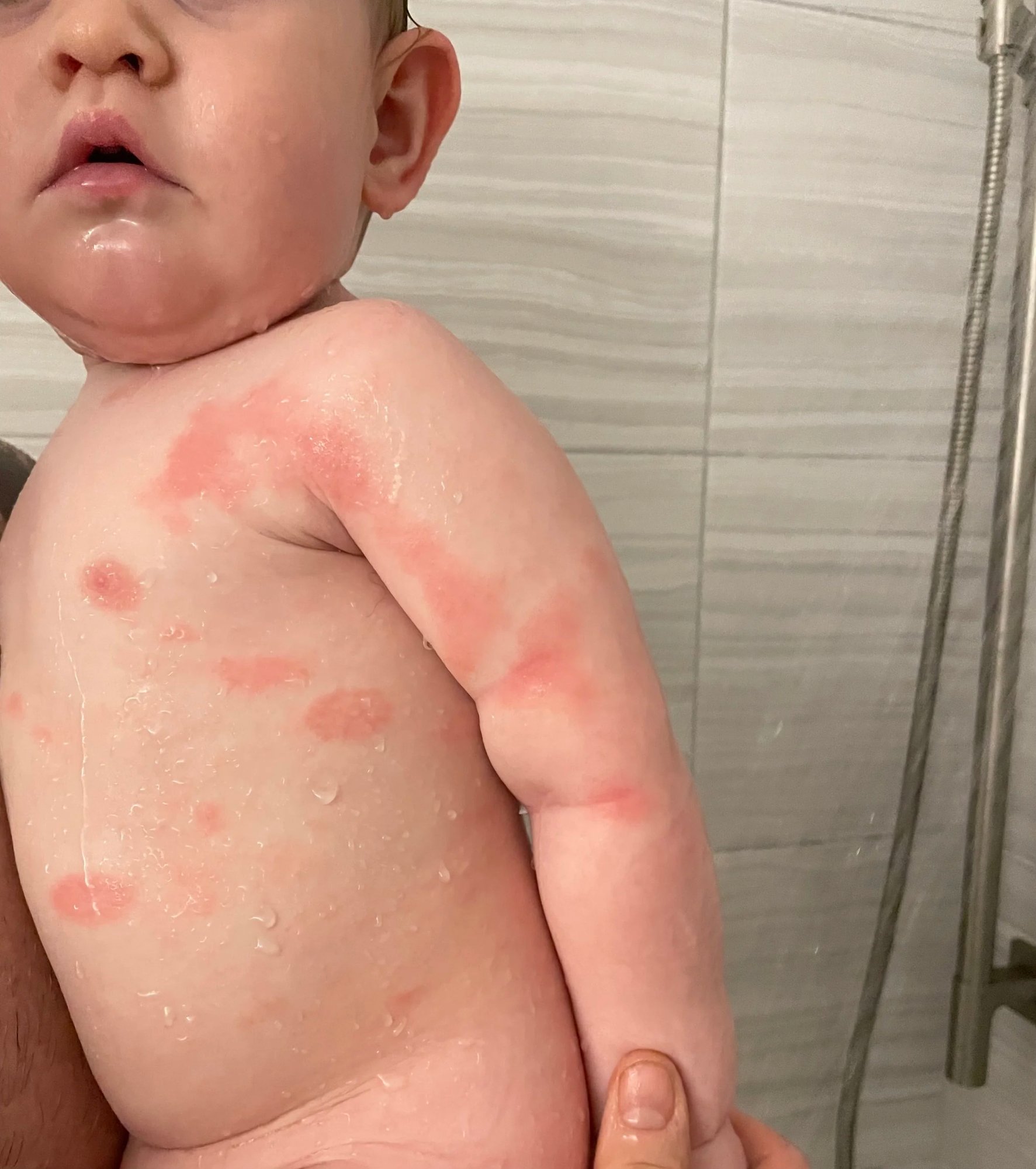
Relative humidity in Hong Kong and much of South China can drop noticeably as summer turns to autumn, and that drop matters more to eczema-prone skin than most people realise. A compromised skin barrier already loses water faster than healthy skin, and when the surrounding air is drier, that outward loss of moisture accelerates further, leaving skin tighter, flakier and more reactive within days of the weather changing. This is compounded by the daily temperature swings typical of early autumn — warm, sticky afternoons followed by noticeably cooler evenings — which repeatedly expand and contract blood vessels near the skin's surface and can set off both itching and visible redness.
Air conditioning use often continues well into autumn on warmer days, and its drying effect stacks directly on top of naturally falling outdoor humidity, quietly pulling moisture from the skin even when the season already feels cooler and gentler. Many people also notice their skin coping reasonably well through summer, then flaring within the first fortnight of autumn — not because anything dramatic has changed, but because a routine that was just barely sufficient for humid conditions is no longer enough once the air dries out.
Adjusting Your Skincare Routine Before the Air Turns Dry
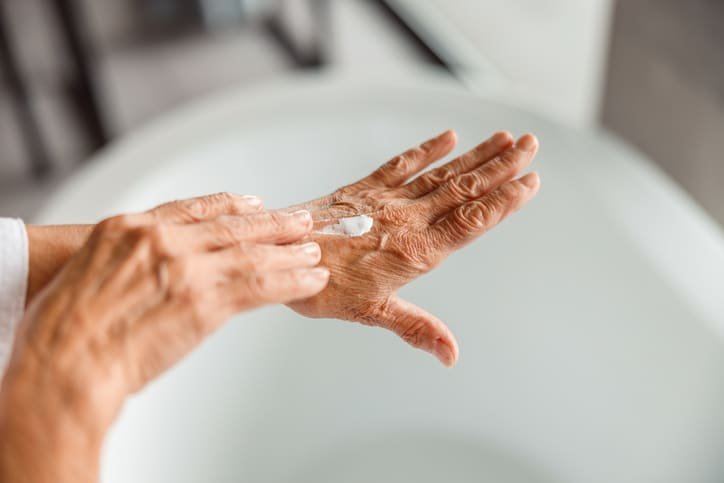
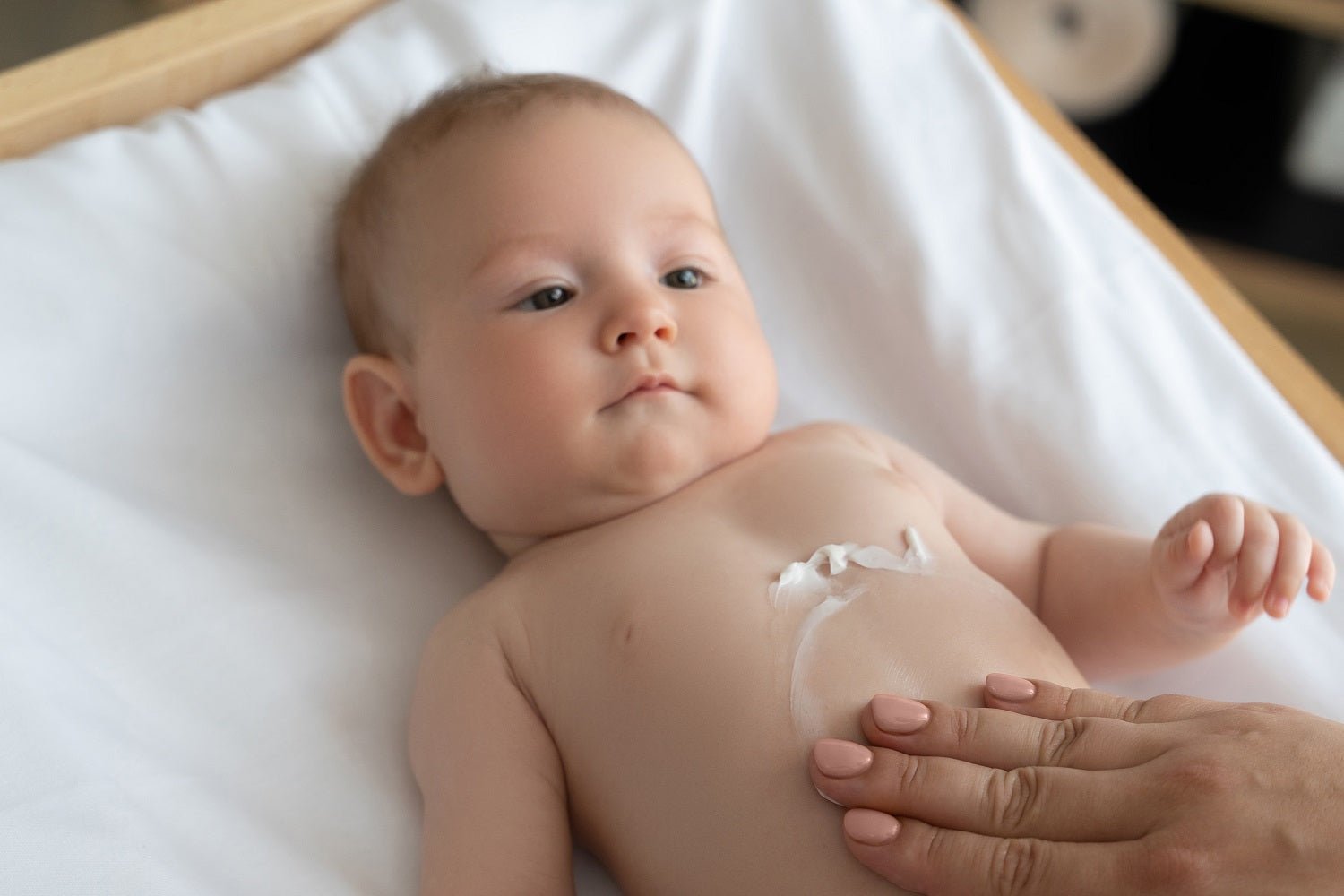
The single most useful change for autumn is switching to a richer moisturiser before dryness sets in, rather than waiting for skin to already feel tight and flaky. A lighter, gel-based lotion that felt comfortable in summer's heat often needs to be swapped for a thicker cream or ointment-based formula containing ceramides or petrolatum, which forms a more effective barrier against moisture loss once ambient humidity drops. It is also worth applying moisturiser slightly more often — many people find twice-daily is no longer enough once autumn arrives, and a top-up after handwashing or showering makes a noticeable difference.
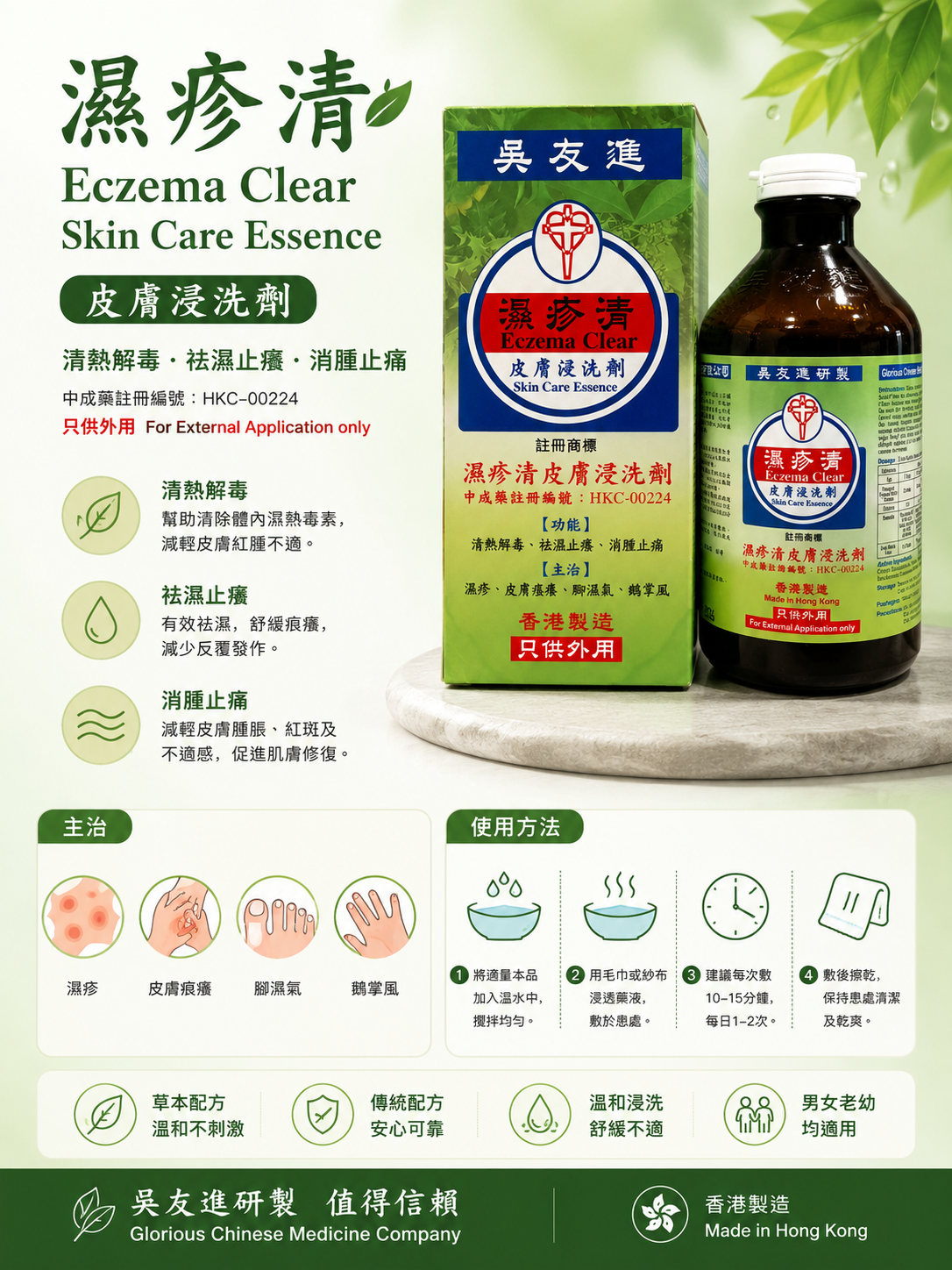
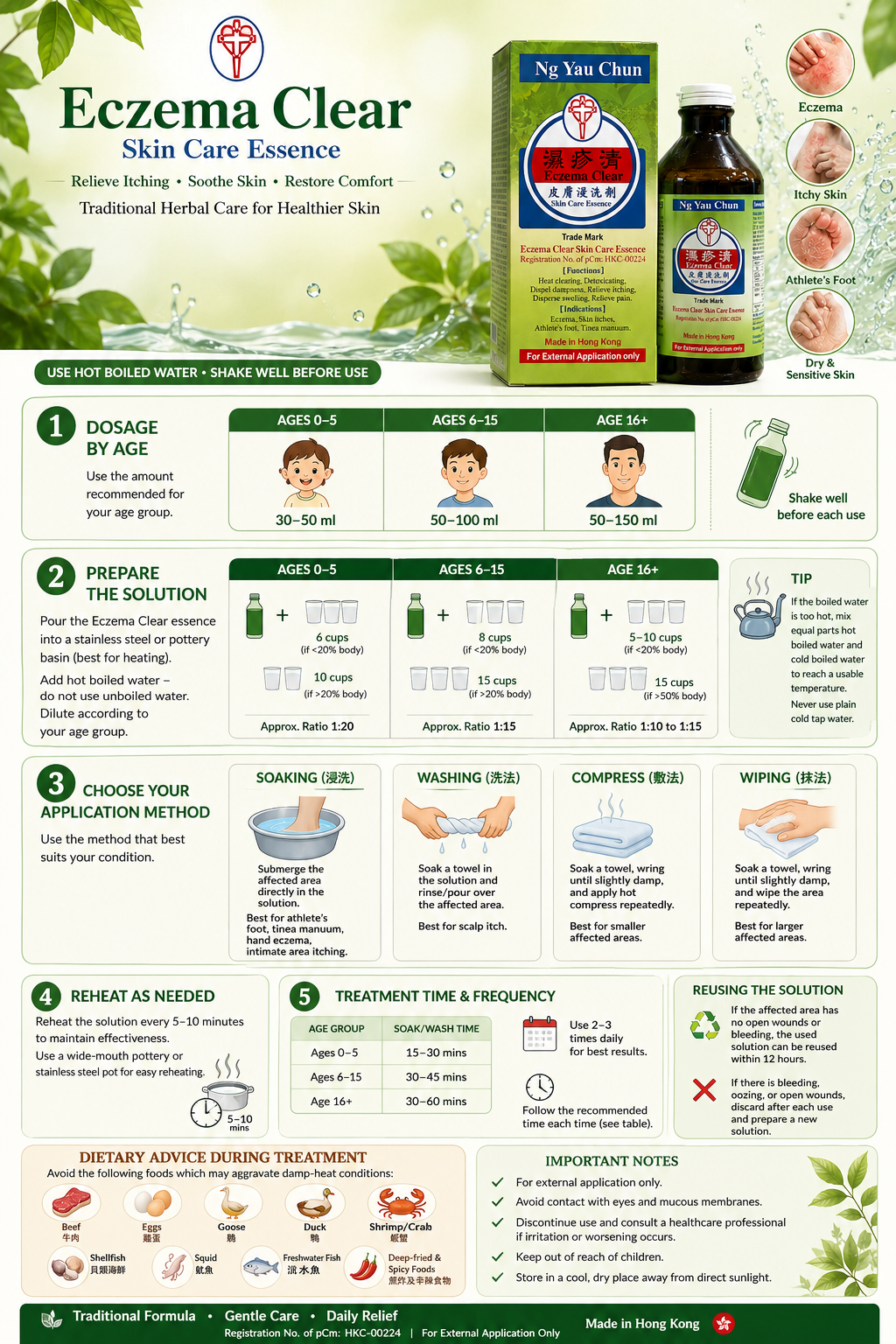
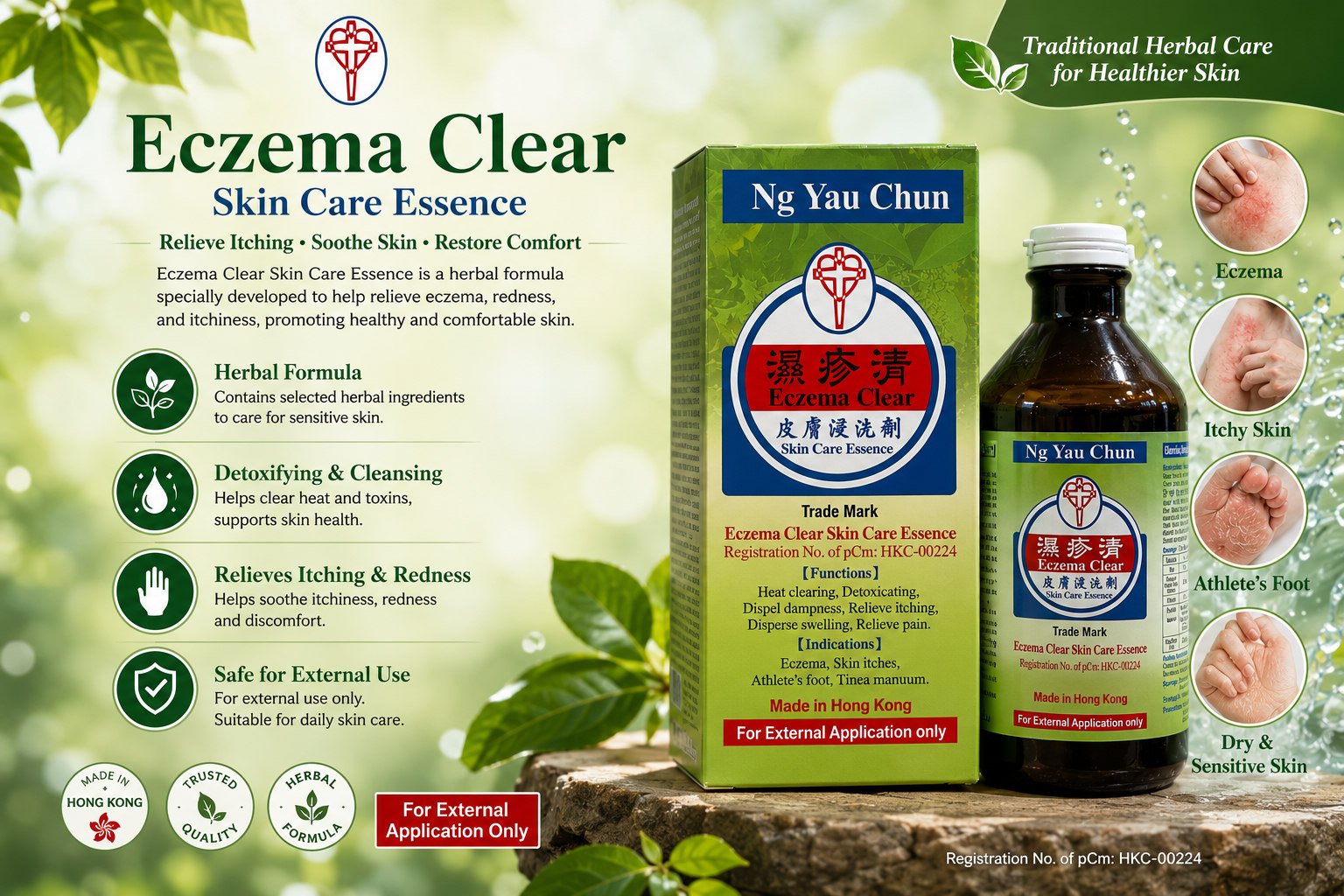
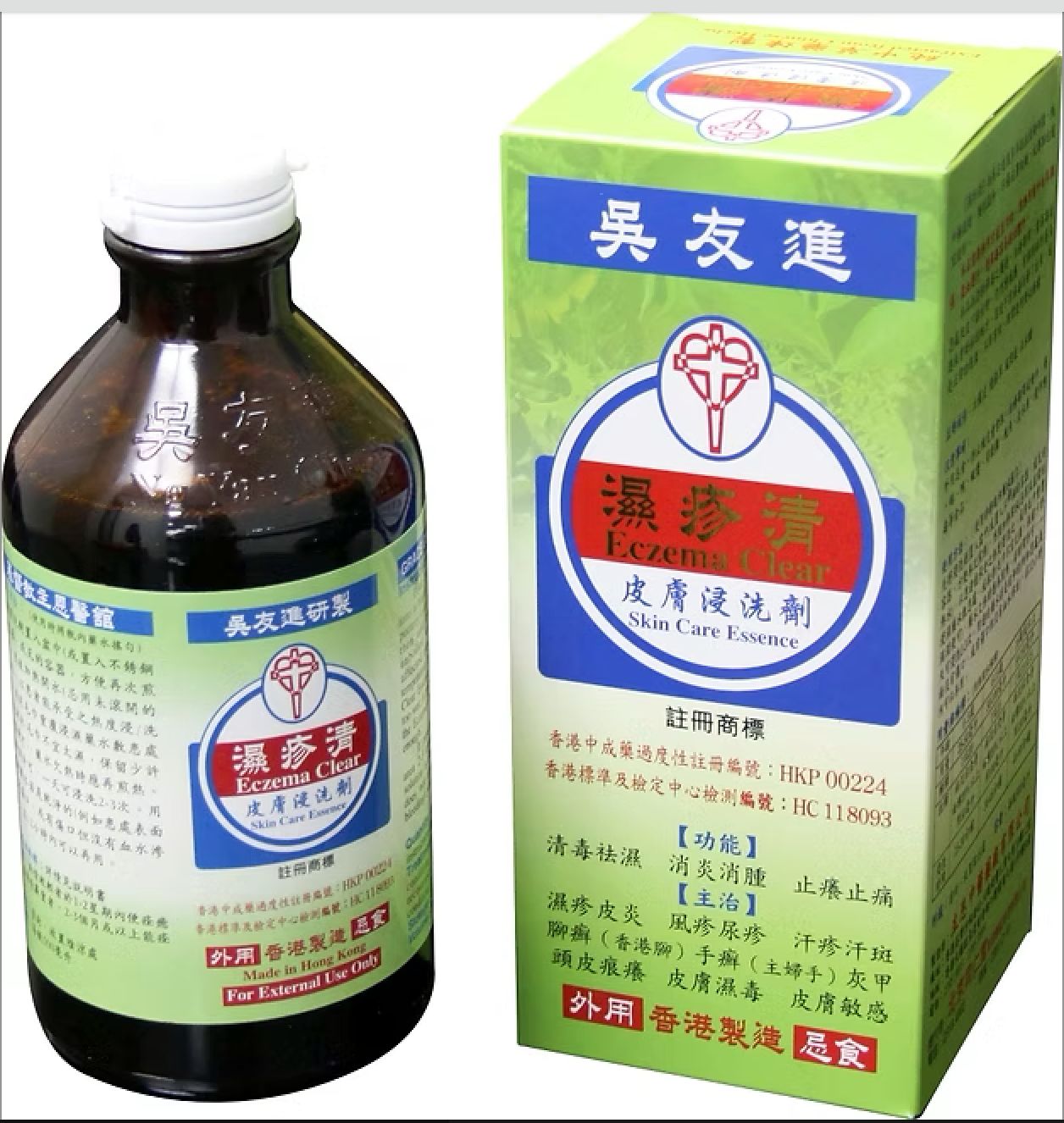
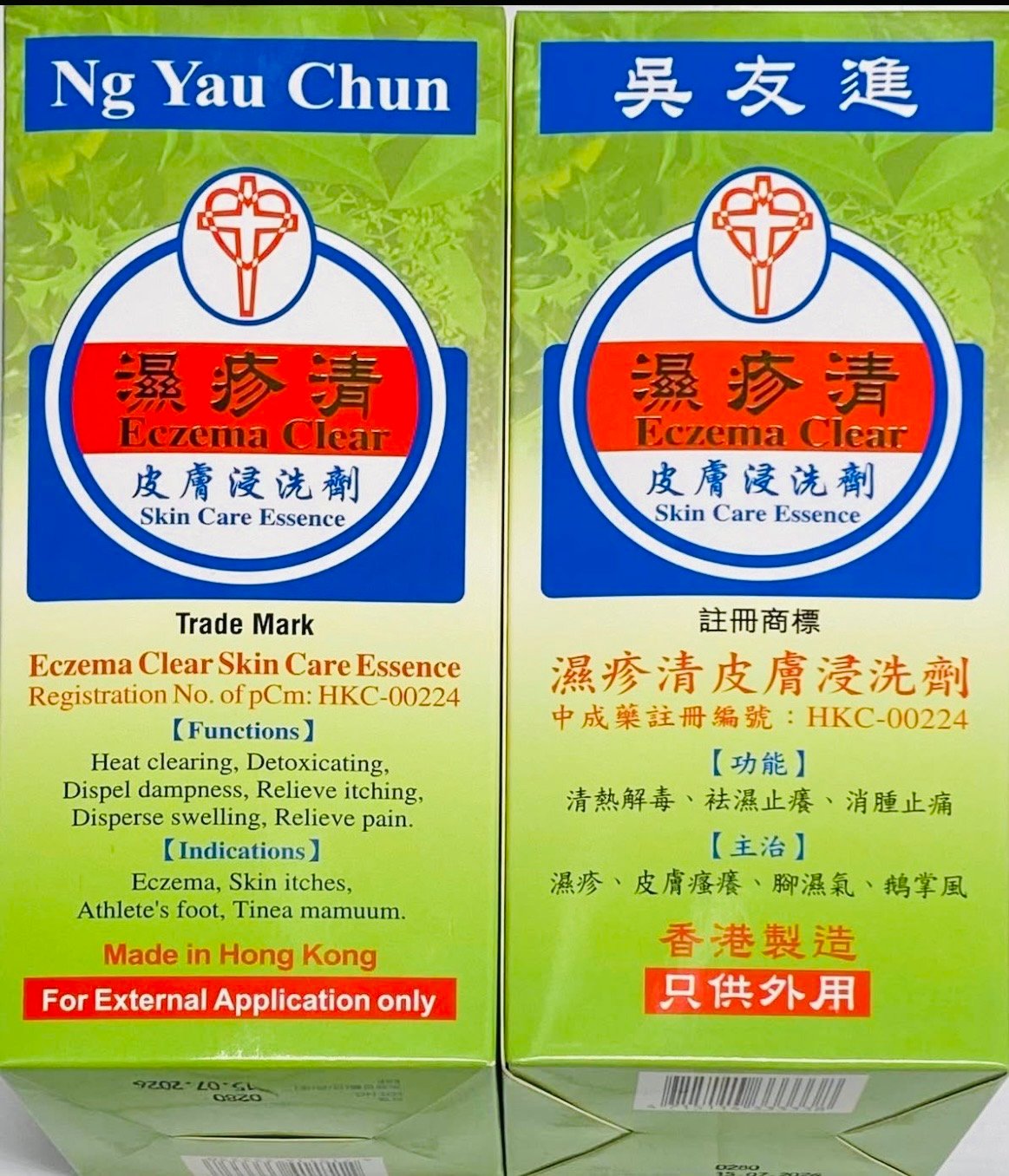
Bathing habits are worth revisiting too. Hot showers feel especially appealing as the weather cools, but hot water strips natural oils from the skin far more aggressively than lukewarm water, which can undo the benefit of a richer moisturiser applied afterwards. A short, lukewarm bath or shower — followed within three minutes by moisturiser while the skin is still slightly damp, so the product can seal in that moisture — remains the better habit as temperatures drop. Some households use a gentle herbal soak such as Eczema Clear (濕疹清) as part of this bathing routine to help calm irritated skin before moisturising, particularly useful during the itchy first week or two of the seasonal switch.
Clothing, Bedding and Humidity Control at Home
Layering becomes genuinely useful once daily temperature swings widen, but the fabric choice matters more than the number of layers. Wool and coarse synthetic knits, however warm, tend to rub directly against eczema-prone areas like the neck, wrists and backs of the knees, so a thin, breathable cotton or bamboo layer worn closest to the skin — with a warmer layer added on top and removed as needed through the day — protects skin far better than one thick, scratchy jumper. The same logic applies to bedding: as people reach for heavier autumn duvets, a hidden cotton sheet layer between skin and any wool or synthetic blanket reduces night-time friction and overheating, both common contributors to the itch that disrupts sleep.
Indoors, a portable humidifier set to around 40–50% relative humidity can meaningfully offset the drying effect of both outdoor autumn air and any lingering air-conditioning use, particularly in bedrooms where skin spends eight or more hours exposed to the same air overnight. It is worth cleaning humidifiers regularly, since stagnant water can breed mould and bacteria that irritate sensitive skin and airways rather than helping them. For households without a humidifier, simply air-drying laundry indoors or placing a bowl of water near a heat source can offer a modest, low-cost improvement to indoor humidity during the driest weeks of the transition.
Beyond eczema-prone skin, the change of season tends to bring its own small round of everyday complaints, and Ng Yau Chun's wider range can help round out an autumn routine. Cooler, damper mornings often bring on the joint and muscle aches that respond well to a warming rub with Herbal Pain-Relief Oil (活絡油). As heavier layers go back on for the season, a gentle herbal Deodorant Essence (除臭靈) offers a fragrance-free way to stay fresh under clothing that breathes less than summer's. And for skin that autumn dryness has left looking a little dull, Beauty Glow (美膚寶) — a herbal essence blending notoginseng, safflower, Chinese angelica, rose, bai zhi, bai ji and olive oil — is formulated to invigorate blood circulation and nourish the skin, helping to brighten dull tone, add lustre, and guard against dark spots and premature ageing, suitable for both men and women. Applied sparingly once or twice a day until absorbed, it sits alongside your regular moisturiser rather than replacing it.
💡 Seasonal Tip: Don't wait for skin to feel dry before switching to a heavier moisturiser — make the change at the first cool evening of the season. Eczema-prone skin responds much better to a routine adjusted ahead of the weather than to one playing catch-up after a flare has already started.